
Contract Furniture
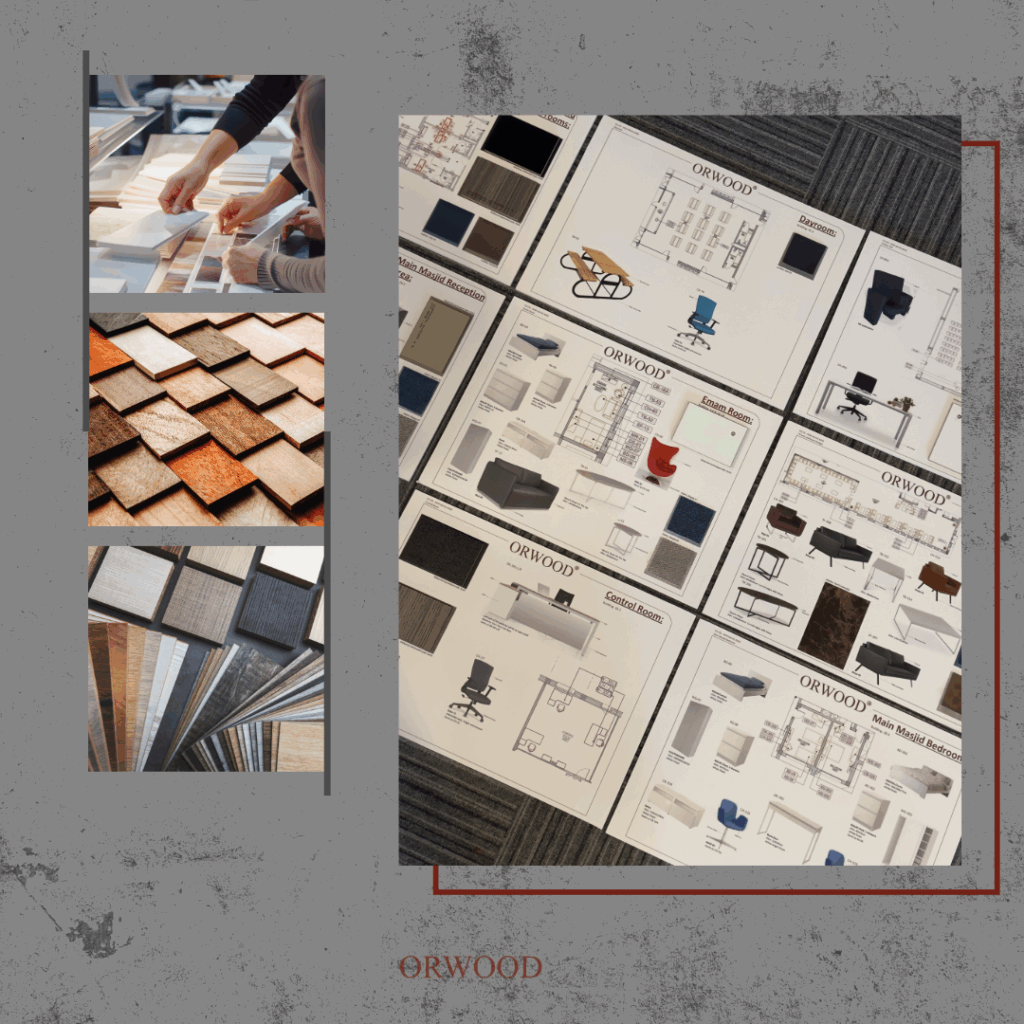
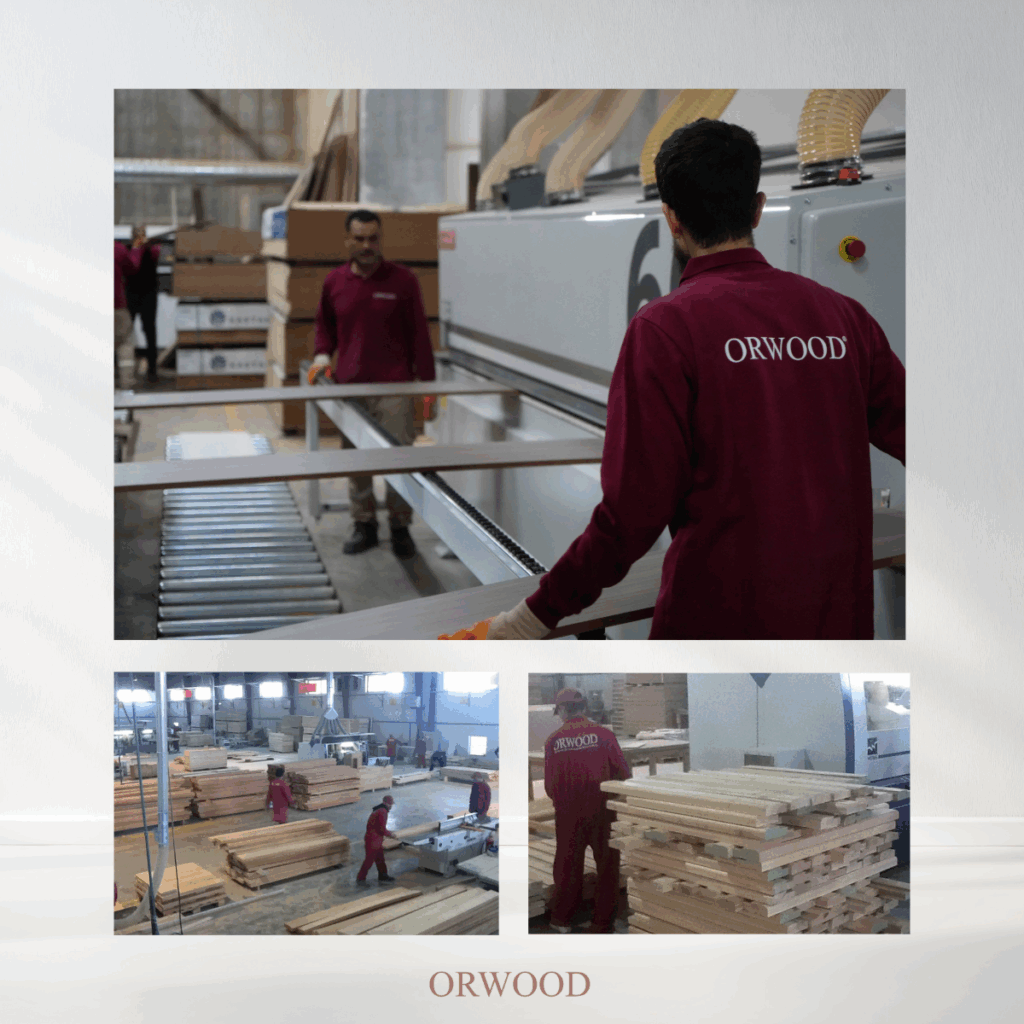

What is Contract Furniture?
Contract furniture refers to furniture that is specifically designed, manufactured, and supplied for commercial or institutional use. Unlike residential furniture, which is typically intended for private homes, contract furniture is built to meet the stringent requirements of high-traffic spaces, such as offices, hotels, restaurants, healthcare facilities, educational institutions, and public venues. This type of furniture is a key component in creating functional, durable, and aesthetically pleasing environments in professional settings.
Key Characteristics of Contract Furniture
Durability and Longevity
Compliance with Safety Standards
Customizability
Functional Design
Volume Purchasing
Applications of Contract Furniture
Contract furniture is utilized in a wide array of industries, each with its specific needs:
Corporate Offices: To foster productivity and collaboration, furniture like desks, chairs, and conference tables are carefully selected for functionality and design compatibility.
Hospitality: Hotels and restaurants use contract furniture to create unique, inviting atmospheres that align with their branding.
Healthcare: Hospitals and clinics prioritize safety, hygiene, and patient comfort when selecting contract furniture.
Education: Schools and universities require furniture that supports learning and withstands daily use by large numbers of students.
Retail: Furniture helps create organized and visually appealing shopping environments that enhance customer experience.